
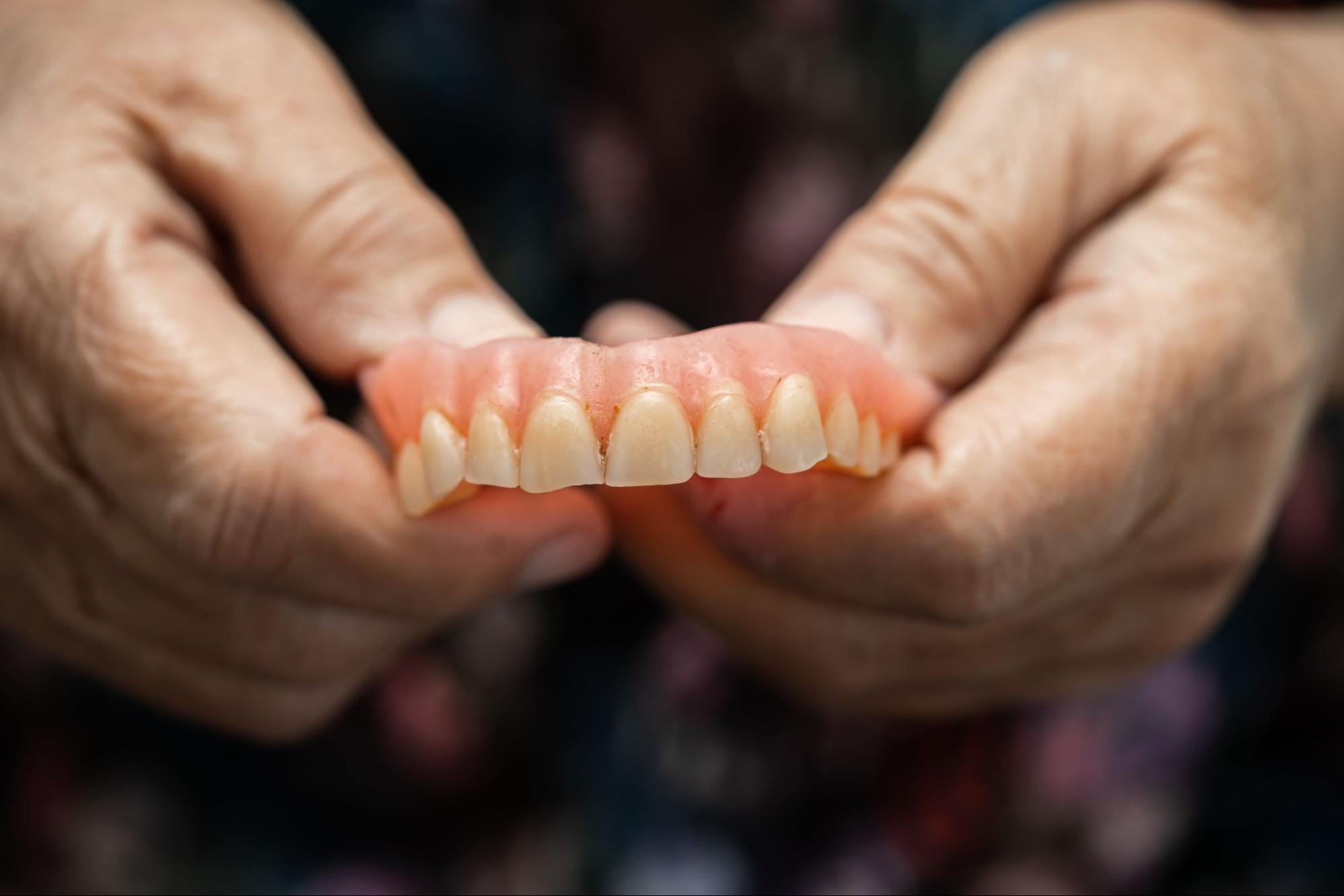
Dentures Don’t Last Forever, But How Long Do They Really Hold Up?
Dentures do their job quietly. You wake up, pop them in, go about your day: eat, speak, smile, and trust that they’ll keep doing their job tomorrow. But like shoes that once felt great and slowly lost their support, dentures also wear out over time. Not all at once. Gradually. Often, without you even realizing it.
If you’ve had your dentures for several years and haven’t had them looked at recently, now’s the time to ask: how long do dentures last, really? And what happens when they don’t fit like they used to?
This article breaks down exactly what to expect, what affects their lifespan, and how to know when it’s time to get a new set or explore other options.
How Long Do Dentures Last?

Standard dentures typically last 5 to 7 years. That’s the average, not a guarantee. Some last a bit longer. Others wear out sooner, especially if they’re not well-maintained or weren’t made with higher-grade materials.
Here’s what affects how long your dentures hold up:
- Tooth material grade: Higher-density materials wear slower and hold their shape longer.
- Fit and fabrication quality: Precision-fit dentures tend to last longer with fewer issues.
- Checkups and adjustments: Like tires, dentures wear unevenly. Adjustments every 1–2 years extend their life and prevent damage to your gums and bone.
- How often you wear them: Full-time wear with no rest? You’ll likely need a reline or replacement sooner.
What Causes Dentures to Wear Out Faster?
Even with great materials and a proper fit, certain habits and health factors can shorten the lifespan of your dentures. These are the most common culprits we see in the clinic:
1. Clenching or Grinding (Bruxism)
If you grind your teeth at night or clench them during stress, you’ll flatten denture teeth quickly. Many people do this without even realizing it. Over time, grinding changes how the denture fits and feels, and can crack the material entirely.
2. Bone and Gum Loss
Your gums and jawbone shift over time, and dentures that once fit well start creating micro-movements that wear on the tissue. Healthier bone and gum support allow for stronger, sharper teeth and better long-term function. Once the bone is gone, there’s no bringing it back without surgery or bone grafting.
3. Skipping Regular Checkups
The most common mistake? Wearing a denture until it feels wrong, instead of checking in annually. A denture that feels “fine” can still be doing long-term damage. We often see people who haven’t had a reline or adjustment in 5+ years, and by that point, the underlying structure is already compromised.
If you’re unsure what a denture reline involves, you can learn more here: Here’s Exactly What Happens During the Denture Reline Process
4. Diet and Chewing Habits
Sticky foods. Hard nuts. Chewing only on one side. These might not seem like major issues, but they create pressure points that can lead to uneven wear or stress fractures.
Not all foods are denture-friendly, and some should be limited. Read more here: Things You Can’t Eat With Dentures If You Want Them to Last
5. Poor Cleaning Habits
Abrasive cleaners, brushing too hard, or using boiling water can all degrade the material. Leaving them soaking in water 24/7? That can actually promote bacterial growth, not prevent it.
Signs You May Need to Replace Your Dentures
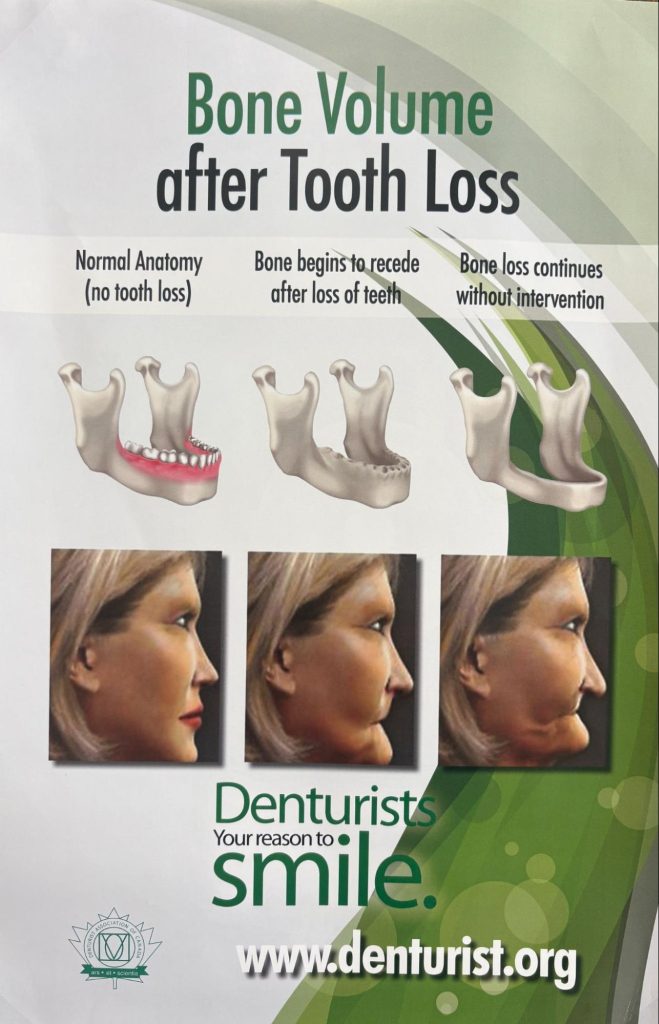
Dentures wear out gradually. If you’re waiting for a clear “something’s wrong” moment, you may miss the subtler signs that your mouth is compensating for worn teeth or an uneven fit.
Here’s what to look out for:
- Teeth look flat or dull: Denture teeth are made to rip and tear food. When they’re flat, they mash food instead, making chewing inefficient and more tiring.
- Visible cracks or chips: Even tiny ones can compromise function and risk injury.
- Jaw position has shifted: You may notice your bottom jaw moving forward. This is often caused by loss of vertical height in worn dentures.
- Speech is slightly slurred: Or you’re making more effort to pronounce words clearly.
- Frequent mouth sores or irritation: Especially at pressure points or in the corners of the mouth.
- Face or lips look more sunken in than before: Loss of structure and support is one of the biggest giveaways of worn dentures.
Visual description (based on real examples):
➡ Flat, dull teeth that look almost smooth across the biting edge
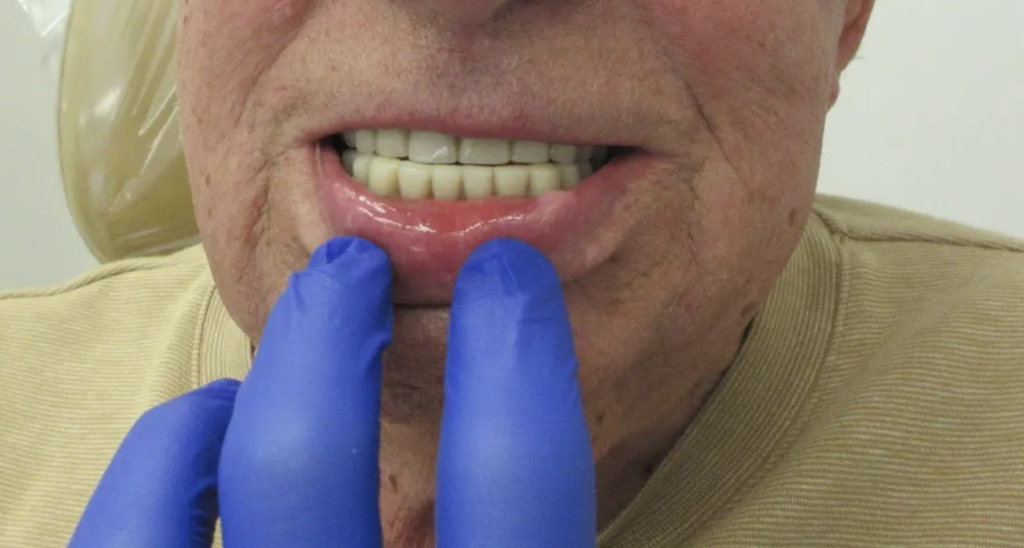
➡ Lower jaw protruding forward when biting down
➡ Cracked lower front teeth; small hairline fractures across the acrylic
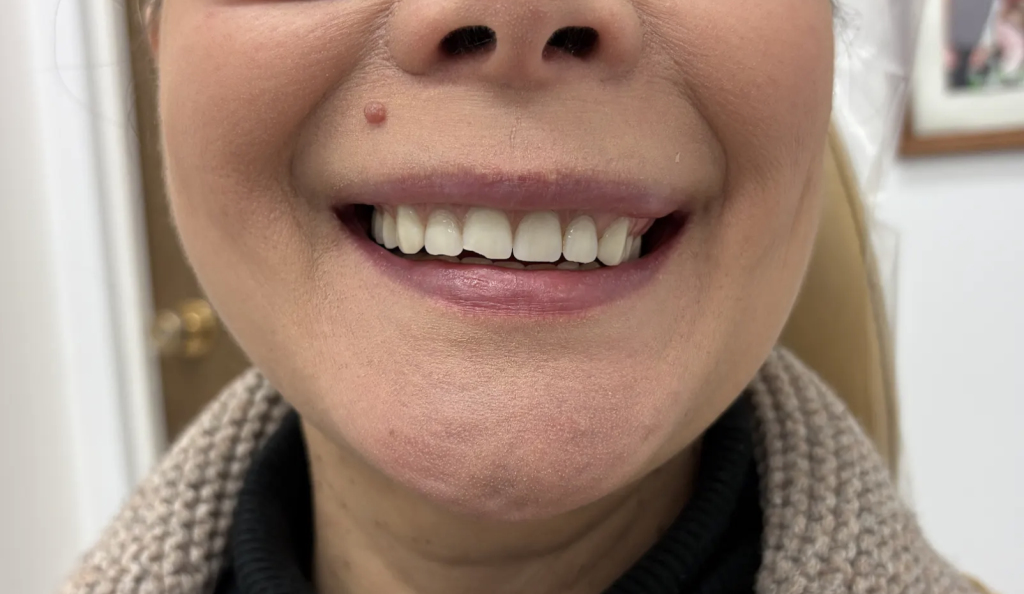
➡ Sagging at the corners of the mouth
If any of this sounds like what you’re seeing in the mirror, it may be time to have them assessed.
How to Extend the Life of Your Dentures
You can’t stop aging, but you can absolutely slow down how quickly your dentures wear out. Here’s what we recommend:
- Prioritize annual checkups. If you do one thing, do this. It’s the simplest way to prevent irreversible damage and protect your investment.
- Clean your dentures twice a day. Use a soft-bristle brush, non-abrasive cleaner (soap is fine), and brush gently.
- Reline when needed. Don’t wait for a loose denture to become painful. A quick reline can dramatically improve fit and comfort.
- Store them dry overnight. Bacteria thrive in damp conditions. Clean, rinse, dry, and store them in a clean, dry case.
- Use a night guard if you grind. This protects both your denture and your bone.
If you’re a frequent traveler, here are a few smart tips to help keep them in good shape on the go: How to Prioritize Denture Care While Traveling
How Long Do Implant-Supported Dentures Last?
Fixed, implant-supported dentures are often marketed as the “forever” option. They do last longer, often 10 to 20 years, but that doesn’t mean they’re maintenance-free.
Here’s what to know:
- They’re surgically anchored: Titanium implants are placed into your jawbone and support a full denture arch. This provides maximum stability and bone stimulation.
- They require meticulous hygiene: Just like natural teeth, you need to brush and clean thoroughly. Neglect can lead to gum infections or implant failure.
- The investment is substantial: Expect to spend around $30,000–$40,000 or more. But the tradeoff is long-term function, better bite strength, and dramatically less movement.
- They feel the most natural. Many patients say they forget they’re even wearing a denture.
- There are lower cost options that don’t last as long, but offer superior fit and comfort than compared to a regular denture!
Learn more about our implant-supported denture options here.
Stop Guessing; Let an Expert Check Your Fit
Here’s something we see far too often:
Patients with upper dentures that still “feel fine”… until we show them the damage happening underneath.
An upper denture that hasn’t been relined in 3-5 years can cause suction-related trauma. Even though it feels snug, it’s often creating micro-movements that slowly break down the gum and bone. Over time, this leads to soft, jelly-like tissue that’s impossible to support a stable denture without surgery.
The biggest risk? By the time you notice a problem, it’s often too late to fix it conservatively.
Even if your denture feels okay, we strongly recommend having it checked every year. It’s a short, no-pressure visit that can save you a lot of future pain, cost, and frustration.
Curious about what denture option is best for your situation?
We offer everything from complete dentures to immediate surgical dentures to non-denture solutions.
Let’s Take a Look (No Pressure)
If it’s been more than a few years, or your teeth just don’t feel quite right, we’re happy to take a look. No pressure, no sales pitch. Just honest insight and next steps if you need them.


 Appointments fill up fast—don’t miss out!